Author Highlight
A practical resource for rural nonprofit and community leaders
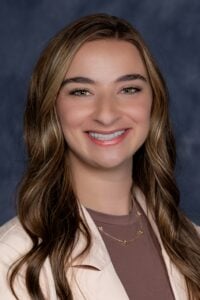
Cassie Coburn – Meagher County Stewardship Council
I’m Cassie Coburn, Executive Director of the Meagher County Stewardship Council in White Sulphur Springs. A large part of my job is connecting people, organizations, local governments, businesses, and outside resources to work through community needs. I’m certainly not an expert in every issue that comes across my desk, but one of the biggest advantages of working in a rural community is knowing the people who may have the answer—or knowing who to call to find it. Over the last couple of years, I’ve used many of the practices in this resource myself through things like Nonprofit Happy Hours, peer relationships with other executive directors, MNA trainings and mentorship, Grant Writing Coffee Hours, and simply creating more opportunities for people in our community to be in the same room and learn from one another.
I also serve as an MNA rural ambassador, working to help connect local community leaders to resources, each other, and the Montana nonprofit community at large. This guide pulls together some of what has worked for us in Meagher County. It isn’t intended to be a blueprint for every rural community, because every community has different people, capacity, and needs. Instead, I hope there are a few ideas in here that you can adapt and use in your own work.
A Rural Advantage: Knowing Who to Call
You do not need to be the expert in housing, childcare, conservation, healthcare, workforce development, grant writing, or every other issue that crosses your desk. One of the advantages of rural communities is that relationships are often close, sectors overlap, and the distance between a question and the right person can be short. A strong rural nonprofit can add value by knowing who has the expertise, making the introduction, and helping the right people get into the same room.
How to Use This Resource
Each practice includes the idea behind it, what it has looked like in Meagher County, one way to try it locally, and one practical consideration to keep in mind. Start with the practices that address a real need in your community; there is no reason to implement all ten at once.
You May Also Like
April 28, 2026
MNA is thrilled to introduce thirteen Rural Ambassadors this year! Ambassadors work to help connect…
September 17, 2026
Rachael Brug – Board chair – Southwest Montana Tourism My name is Rachael Brug, and…